
Elevate Your Content Creation with AI-Driven Storyboarding

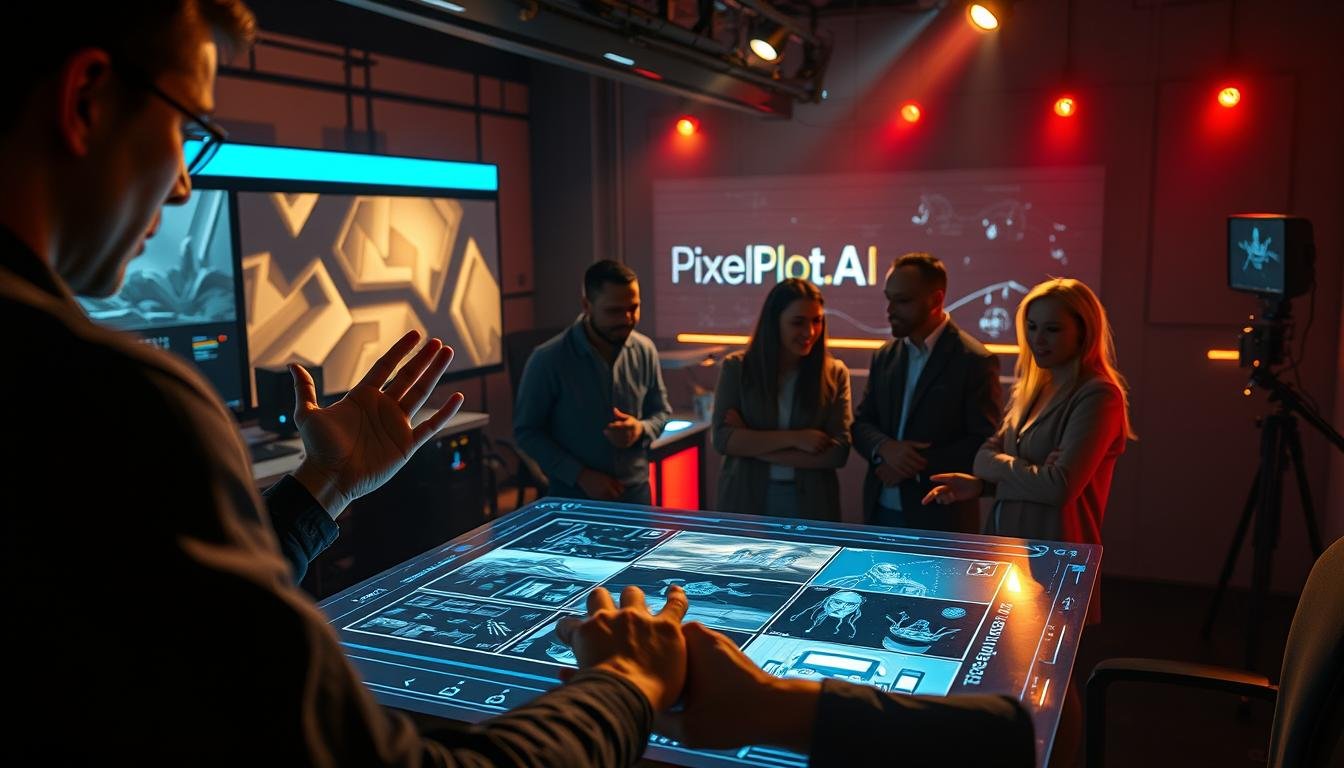
Elevate Your Content Creation with AI-Driven Storyboarding. Did you know that businesses using AI in content marketing see a 50% boost in engagement? As a content creator, I’ve seen how AI tools are changing storytelling. They make creating storyboards easier and improve the creative process, making AI key in content creation.
This article explores AI’s role in modern storyboarding, showing how it boosts our storytelling skills. We’ll look at AI tools and how they’ve changed traditional techniques. Join me as we explore how AI can make our stories more engaging.
Key Takeaways
- AI significantly boosts engagement and efficiency in content marketing.
- Modern storyboarding tools streamline the creative process.
- AI enhances personalization, leading to tailored content delivery.
- Data-driven insights from AI can improve audience targeting.
- Storyboarding is evolving through technology, improving collaboration.
The Role of AI in Modern Storyboarding
AI has become a vital tool in modern storyboarding, changing how creators envision their projects. It uses AI algorithms to analyze data and offer personalized suggestions. This approach has led to a 20-30% increase in customer retention in the entertainment industry.
AI significantly enhances content creation efficiency. It automates tasks like editing, voiceover, and post-production, cutting production time by up to 50%. This allows me to concentrate on the creative aspects of storytelling, which are essential.
Companies that use AI for audience analysis see a 40% boost in engagement metrics. By understanding user behavior, creators can tailor content more effectively. This leads to a better viewer experience. AI-driven technologies also improve creativity and produce more refined results.
AI tools offer more than just efficiency. They enhance animations and character modeling, increasing viewer satisfaction by 50%. AI can predict audience reactions with 80% accuracy, guiding content creation towards more impactful stories.
AI also enables personalized and interactive visual storytelling, creating unique experiences. Its integration in modern storyboarding has opened new possibilities for creators. It allows for innovation and significantly improves content quality.
Understanding Storyboarding in Content Creation
Storyboarding is essential in content creation, serving as a blueprint for projects. It acts as a visual planning tool, ensuring everyone aligns with creative goals. This tool helps producers, directors, and designers understand the story’s direction.
By sketching scenes and organizing content, complex ideas become easier to manage. This process allows for a clear breakdown of content.
Storyboarding offers more than just visual aids. It significantly reduces revision costs when used early in the process. Changes made at this stage are less expensive than those made later. This is why skipping storyboarding can lead to higher production costs due to disorganization and last-minute changes.
Storyboarding also boosts collaboration among stakeholders. Components like sitemaps and wireframes improve visual communication and user interaction insights. This structured approach enhances production efficiency and ensures project objectives are met.
The iterative nature of storyboarding, involving research, sketching, and refinement, helps anticipate issues. This proactive approach streamlines production and improves the final product’s quality. Courses developed with a storyboard framework engage learners more effectively, showing higher satisfaction and interaction metrics. By using storyboarding, I can create compelling content that connects with my audience.
AI, Storyboards, Media, Content creation
AI has transformed my visual narrative approach. It has integrated AI tools into storyboarding, making content creation more efficient. With over 140 AI avatars and more than 400 AI voices across 120 languages, the scope for multimedia storytelling is immense. AI-driven storyboards have significantly streamlined my creative process, turning abstract ideas into tangible visuals.
Transforming Ideas into Visual Narratives
AI-generated storyboards enable me to quickly visualize my concepts. This is a huge advantage for pre-production efficiency. Gone are the days of spending days on manual sketches; now, it takes just minutes. AI tools make these storyboards customizable scene templates, ready for video projects. Stakeholders can give feedback on specific frames, improving collaboration.
The Evolution of Traditional Storyboarding Techniques
Traditionally, storyboarding involved hand-drawn sketches. The shift to AI-driven storyboards marks a significant change in media production. These tools not only speed up the process but also simplify budgeting. Costs are now a monthly payment, unlike the complex expenses of traditional video production. AI allows for creating multiple script variations in Synthesia, boosting flexibility while keeping project clarity intact.
| Traditional Methods | AI-Driven Storyboarding |
|---|---|
| Hand-drawn sketches | Rapid generation of digital visuals |
| Time-consuming edits | Quick adaptability to script changes |
| Complex budgeting | Defined upfront costs with software use |
| Limited collaboration tools | Stakeholders comment directly on frames |
| Sketch quality varies | Consistent, professional-grade storyboards |
The move to AI in storyboarding enhances my ability to craft compelling digital narratives. It ensures these narratives meet the changing demands of media content creation.
Key AI Tools for Storyboarding
In the ever-evolving landscape of content creation, effective storyboarding has become essential. Several AI tools now offer innovative solutions to facilitate this process, boosting creativity and efficiency. DeepSeek and MiniMax I2V stand out for their unique functionalities and contributions to video production.
DeepSeek: An Overview
DeepSeek is a cutting-edge AI tool designed for creators seeking to generate detailed storyboards from script prompts. This platform streamlines the entire storyboard creation process by compiling visuals, dialogues, and scene breakdowns efficiently. DeepSeek allows me to focus more on my creative vision while reducing the manual labor traditionally associated with storyboarding. It integrates seamlessly with various formats, making it suitable for different project requirements.
MiniMax I2V: Transforming Storyboards into Videos
MiniMax I2V elevates the storyboard into an engaging video format. This powerful tool bridges the gap between concept and execution by converting generated storyboard frames into dynamic videos. With MiniMax I2V, I can visualize my projects more vividly, enriching the storytelling experience. The ability to rapidly transform ideas into tangible video content not only boosts productivity but also enhances the overall production quality.
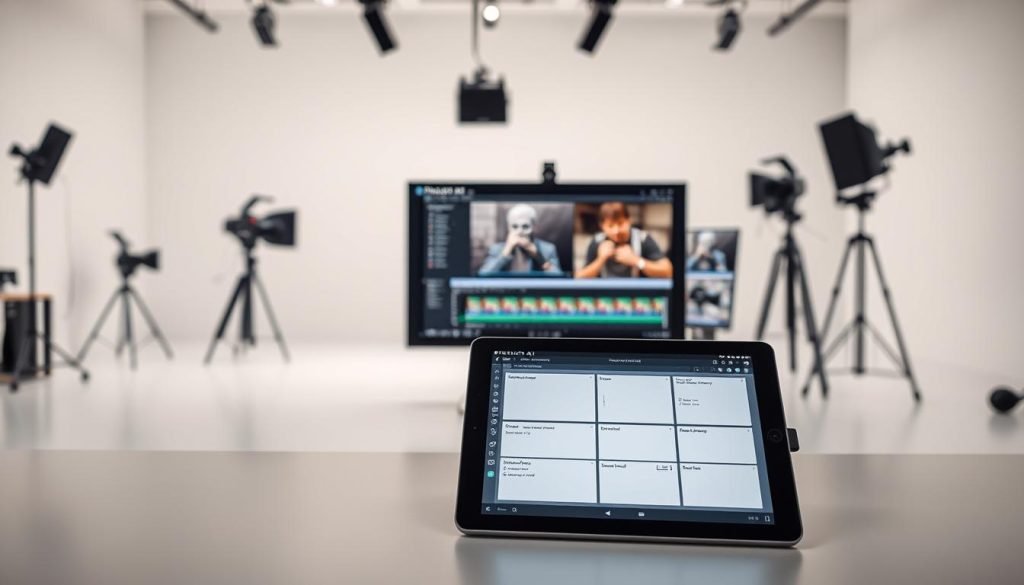
| Feature | DeepSeek | MiniMax I2V |
|---|---|---|
| Purpose | Storyboard generation from scripts | Conversion of storyboards into videos |
| Functionality | Compiles visuals and dialogues | Creates dynamic video content |
| Integration | Supports various input formats | Enhances visual storytelling |
| Target Audience | Content creators | Video producers |
By utilizing these AI tools, I can significantly enhance my storyboard development process, making it more intuitive and aligned with modern video production demands. The combination of DeepSeek and MiniMax I2V empowers me to craft compelling narratives efficiently, resulting in a higher quality of content across platforms.
Improving Efficiency with AI-Powered Platforms
Utilizing AI-powered platforms in my content creation has significantly boosted my efficiency. The core benefit lies in cloud-based solutions, which enable seamless collaboration and easy access. These tools have revolutionized project management, easing the heavy load of content production.
Cloud-Based Solutions and Their Benefits
Cloud-based solutions have transformed media production by providing scalable storage and improving teamwork. They offer virtually unlimited storage for high-definition media, making it easy to maintain large media libraries. This setup allows for real-time collaboration, boosting creativity and efficiency among team members.
- Cost-effective cloud production models minimize upfront costs and offer flexible budgeting.
- Enhanced content distribution efficiency leads to quicker deployment speeds, reducing time-to-market.
- Predictive analytics enable optimal timing for content releases, maximizing audience engagement.
Reducing Production Time with AI Tools
AI tools have dramatically cut down production time at various content creation stages. For example, AI-assisted video editing platforms make editing faster and more consistent, mirroring my style. Automated subtitling and dubbing also save a lot of time, which is critical in today’s global market.
| AI Tool | Function | Efficiency Improvement |
|---|---|---|
| AI Video Editing | Replicates editing style for faster results | Reduces editing time by up to 50% |
| Automated Subtitling | Creates subtitles for different languages | Saves hours in production time |
| Deep Learning for CGI | Speeds up animation and scene creation | Minimizes manual labor significantly |
By integrating these AI tools, I’ve not only increased my efficiency but also improved the quality of my content. This allows me to focus more on creating engaging and high-quality work.
The Creative Process Enhanced by AI
Integrating AI into my creative process has revolutionized how I develop scripts. AI tools speed up the process, eliminating the frustration of writer’s block. They suggest plot improvements, making it easier to refine story elements and keep creativity flowing.
Streamlining Script Development
AI significantly improves script development by automating repetitive tasks and providing instant feedback. For example, platforms like Filmustage can dissect scripts in minutes. This allows me to concentrate on new ideas, not tedious analysis. It cuts down planning time and reduces the risk of costly delays, saving production costs.
Continuous analysis of tone, pacing, and structure also boosts my work’s quality before production.
Visualizing Scenes and Characters with AI
AI-powered tools have made it easier to create immersive scenes and characters. They generate reference visuals quickly, cutting down storyboarding time by about 50%. This early visualization helps craft a cohesive narrative that engages my audience.
The automation of animation and effects brings my creative vision to life. It enhances production quality, saving time and resources.
Benefits of AI-Driven Storyboarding for Creators
Integrating AI-driven storyboarding into my projects has brought about significant advantages. These tools have revolutionized the production process and team collaboration dynamics. By understanding these benefits, I can harness technology to achieve superior outcomes.
Cost-Effectiveness in Production
The cost savings from AI-driven storyboarding are substantial. Tools like Autodraft dramatically reduce planning time, creating precise storyboards in mere seconds. This efficiency leads to lower production costs without compromising quality. For example, AI in video creation has cut costs and time significantly. This allows creators in various fields to produce top-notch video content without financial strain.
Improved Collaboration Across Teams
AI-driven storyboarding platforms significantly boost team collaboration. Tools like Google Slides and Miro enable real-time contributions to storyboards, boosting productivity by 25%. These platforms facilitate seamless discussion, editing, and finalization of ideas. The ease of integrating feedback and suggestions fosters creative synergy, resulting in more cohesive and innovative projects.
| AI Tool | Key Benefit |
|---|---|
| Autodraft | Automated storyboard generation in seconds |
| Pictory | Concise video summarization from long-form content |
| Synthesia | Realistic avatars with multilingual support |
| Runway ML | Advanced background editing capabilities |
| Animoto | Streamlined video creation with drag-and-drop features |
| Lumen5 | Content analysis to enhance video focus |
| Deepbrain AI | Hyper-personalized video generation for viewer engagement |
| Magisto | Advanced analytics for video performance measurement |
Exploring Multimedia Content Creation Opportunities
Multimedia content creation has seen a significant shift with AI’s rise, opening up new avenues for storytelling. Digital narratives are now more engaging and dynamic. I’ve adapted to these changes, using AI to improve my content creation. The combination of video, animation, and interactive elements offers ways to engage audiences across different platforms.
Tools like Katalist AI are leading the way, catering to creators on Instagram, TikTok, and YouTube. With features like unlimited locations, custom characters, and high-quality voiceovers, I can craft unique videos. The free 7-day trial lets me explore these features without cost, boosting my creativity in multimedia.

AI-driven storyboarding ensures my projects look professional and save time. These tools automate video production, improving storytelling and maintaining character consistency. While exact time savings are not given, the average improvements have greatly streamlined my work.
The platform supports a wide range of content, from cinematic films to educational videos. Its versatility allows me to target various industries. Advanced features like text-to-visual and detailed scene composition enhance my creative process and audience engagement.
By using AI, like Katalist AI, I can create personalized video campaigns on a large scale. Its capabilities, such as voice cloning in multiple languages and avatars for presentations, make my content more impactful. AI in multimedia content creation is driving innovation and creative expression, shaping the future of digital storytelling.
Crafting Engaging Digital Stories with AI
In today’s digital world, blending creativity with technology is key. I use AI in digital storytelling, leveraging advanced tools to refine narratives. These tools help perfect pacing, character development, and interactive elements. This approach not only enhances my storytelling but also captivates audiences.
The rise of AI in digital media is significant. The global animation market is expected to hit $403 billion by 2025. This growth highlights the importance of storyboard art in various sectors, including film and advertising. About 70% of marketing pros see storyboarding as vital for campaign success and clarity. The film industry’s 2021 revenue of $42.5 billion underlines the role of storyboarding in TV and film.
Integrating AI into my workflow has brought noticeable improvements. Studies show companies using storyboarding see a 40% increase in project alignment. This is critical for refining digital storytelling methods. In marketing, 62% of video content marketers use storyboarding in their processes.
AI storytelling opens up new creative possibilities. The demand for AR and VR in storytelling is expected to reach $209 billion. This signals a move towards more immersive experiences. AI story generators allow me to craft personalized narratives, boosting audience engagement by 70-80%. These tools also save time and resources, cutting production time by up to 50%.
In conclusion, AI is essential in the evolving digital storytelling landscape. It enhances my storytelling abilities and propels my projects into a new era of creativity and efficiency.
The Impact of AI on Audience Engagement
The advent of AI in content creation has revolutionized how creators connect with their audiences. By leveraging interactive content, I can now create experiences that truly resonate. AI’s influence allows for a deeper understanding of viewer preferences, enabling me to craft stories that evoke strong emotions.
AI-driven tools have transformed audience engagement by automating production tasks. This frees me to concentrate on creativity and storytelling. The use of AI in generating animations and streamlining post-production enhances the final product’s quality. This results in a more captivating viewing experience, drawing in the audience’s attention.
AI also provides valuable insights into viewer interactions, helping refine content delivery. By identifying what engages viewers most, I can focus on creating experiences that encourage participation. This approach fosters greater loyalty among the audience.
- Enhanced capability for creating 3D models and textures reduces manual work, leading to higher quality visuals.
- Procedural animation techniques promote the development of dynamic movements, adding realism to stories.
- Real-time simulations reproduce accurate physics effects, captivating viewers’ senses.
- Automated error corrections improve fidelity, ensuring smooth experiences during playback.
This evolution marks a shift towards hyper-personalized content and fully interactive narratives. AI’s role in shaping future media consumption patterns is undeniable. As audience engagement becomes more critical, the integration of these advanced technologies promises a more innovative and captivating storytelling landscape.
Future Trends in AI-Driven Storyboarding
The future of AI-driven storyboarding is set to be transformative, with new technologies on the horizon. In 2024, we can expect significant leaps in content creation, as highlighted by Jensen Huang, CEO of Nvidia, at CES 2025. He outlined the four stages of AI evolution: generative, agentic, and physical AI. Understanding these trends is key to staying ahead in a rapidly changing field.
Today’s AI tools in storyboarding show impressive capabilities, but they often need human input for tasks like user research. Tools like Google NotebookLM and Dovetail make research easier, integrating well with platforms like Slack and Teams. Yet, they face challenges related to memory and bias.
Innovative tools like Storyboards.AI and KROCK Storyboard AI are making storyboarding faster. KROCK’s tool can create storyboards in minutes from Excel data. These tools not only help in content creation but also save time, allowing for more focus on creativity.
As visual content becomes more important for marketing, understanding AI-driven storyboarding trends is vital. AI helps teams refine visuals quickly and align strategies across channels. Personalization, driven by machine learning, will be key to engaging audiences.
To lead in this field, designers and marketers must adopt these technologies while keeping a human touch. The right balance between automation and manual input ensures creative stories connect with audiences. This boosts brand loyalty and conversion rates.
| Key Innovations in AI-Driven Storyboarding | Impact on Process |
|---|---|
| Generative AI Tools | Enhance ideation and creative direction. |
| Automated Editing Processes | Reduce time spent on post-production. |
| Prototyping Technologies (e.g., Vercel v0) | Allow rapid visualization and iteration of design concepts. |
| Personalization Algorithms | Foster stronger audience connections and improve targeting. |
By engaging with these trends, I prepare for the future of AI-driven storyboarding. This ensures I can seamlessly integrate new technologies into my content strategies.
Conclusion
Reflecting on AI’s role in content creation, it’s evident that this technology is reshaping the storyboarding world. Today’s tools empower creators to swiftly transform ideas into engaging visual stories. With a 20% productivity boost in media and entertainment expected, the future looks promising.
The projected $400 billion annual revenue by 2030 for AI-enhanced content highlights its transformative power. By 2025, over 75% of content will feature AI-driven technology. This shift boosts efficiency and fosters a future where human and AI collaboration thrives.
My exploration of AI’s impact on storytelling reveals its critical role in audience engagement and personalized content. Adopting these technologies enables me to create richer, more varied stories that connect with global audiences. The future of storytelling is bright, with AI tools becoming essential collaborators in the creative process.
FAQ
How does AI enhance the storyboarding process?
AI revolutionizes the storyboarding process by streamlining the creative workflow. It enables content creators to transform ideas into visual narratives efficiently. AI tools generate storyboards that capture concepts swiftly, facilitating adjustments and refinements throughout the creative journey.
What are some key AI tools for storyboarding?
Key AI tools for storyboarding include DeepSeek and MiniMax I2V. DeepSeek generates detailed storyboards from script prompts. MiniMax I2V then converts these storyboards into dynamic videos, linking conceptualization to execution seamlessly.
How do AI tools improve collaboration among creative teams?
AI tools enhance collaboration through cloud-based solutions. These allow team members to access, share, and contribute to projects in real-time. This connectivity fosters feedback and suggestions, ensuring the creative vision is aligned while boosting productivity.
In what ways has AI impacted audience engagement?
AI has transformed audience engagement by enabling personalized storytelling and interactive visual experiences. By analyzing viewer preferences, I can craft content that deeply resonates with my audience. This encourages active participation, strengthening the viewer-creator bond.
What future trends can we expect in AI-driven storyboarding?
Future trends in AI-driven storyboarding include advancements like automated editing and enhanced character modeling. We can also expect fully interactive narratives. Staying current with these innovations will enable creators to leverage cutting-edge technologies and strategies, meeting the evolving audience demands.