

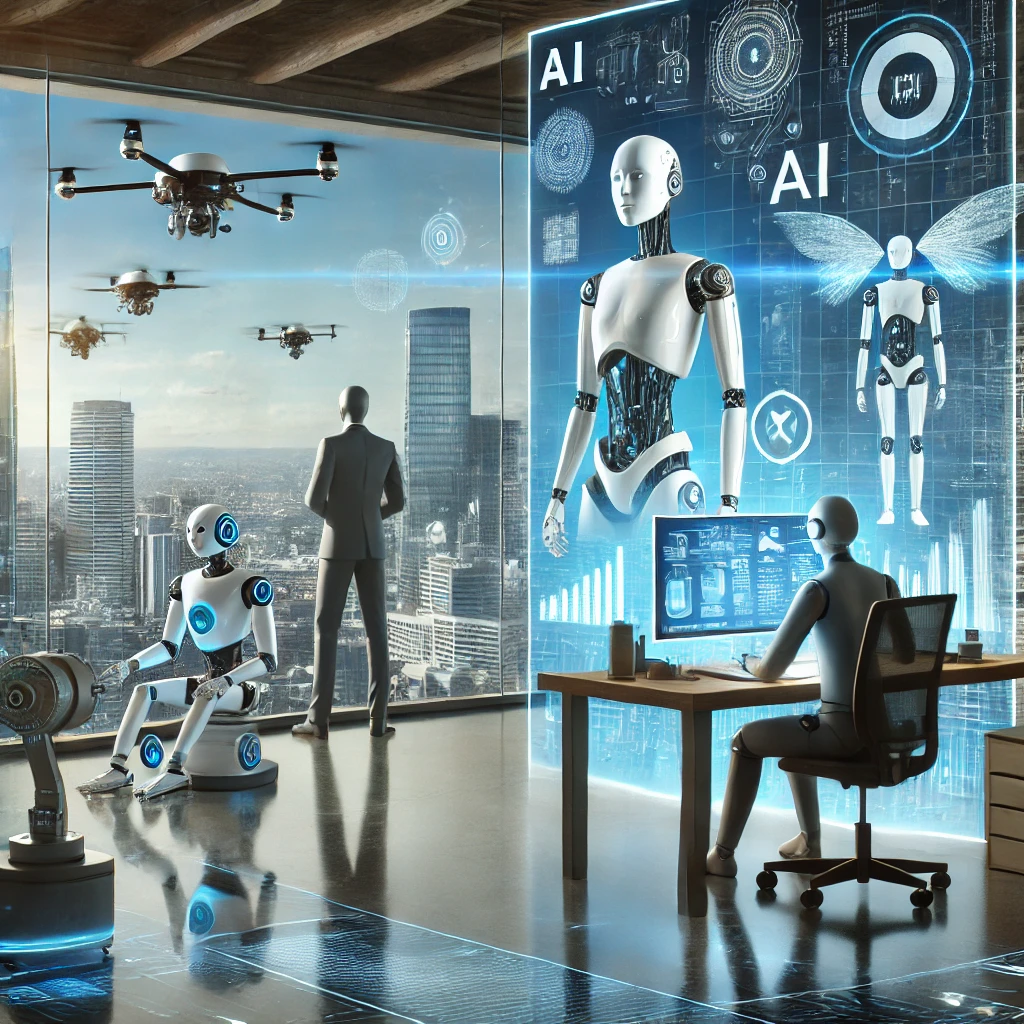
Impact of AI on jobs is a topic that scared people especially in recent times, once AI started to get grip. Specialists says Future jobs in AI and deep learning will be the next trend in the industry.
Deep learning is transforming industries at an incredible pace. This advanced branch of artificial intelligence (AI) relies on neural networks with multiple layers. It can analyze massive amounts of data, recognize patterns, and make decisions faster than humans thus deep learning and the future of jobs is an interesting topic for the future.
Its impact is already visible in healthcare, finance, entertainment, and transportation. As deep learning evolves, it will reshape the job market, bringing both opportunities and challenges.
Automation and Job Transformation
One of the biggest effects of deep learning is automation. AI can now handle tasks that once required human intelligence. This includes image and speech recognition, language translation, and complex decision-making.
Many industries are using deep learning to automate repetitive tasks. In manufacturing, AI-powered robots inspect products, optimize production, and predict maintenance needs. This reduces reliance on human workers in certain roles. However, it also creates jobs in designing, implementing, and maintaining these systems.
The service industry is also feeling the impact. AI chatbots and virtual assistants are replacing human agents in customer service. These systems handle common inquiries, freeing employees for complex problem-solving. Yet, this shift may lead to job losses in routine service roles.
Not all jobs face the same risk. Roles that require creativity, emotional intelligence, and problem-solving are harder to automate. The key to job security in this AI-driven world is adaptability and continuous skill development.
The Rise of New Job Categories
While some jobs will disappear, deep learning will create new ones. AI adoption is driving demand for skilled professionals. Machine learning engineers, AI specialists, and data scientists are already in high demand. This trend will continue as more companies integrate AI.
New industries will also emerge. AI development requires expertise in diverse areas, including algorithm design, data engineering, and user experience. Ethical oversight of AI systems is another growing field. As AI becomes more embedded in daily life, human-AI interaction roles will expand.
Deep learning is also transforming creative fields. AI-generated content, personalized marketing, and AI-assisted research are on the rise. These fields require both technical expertise and creative skills. The job market of the future will favor those with interdisciplinary knowledge.
The Need for Reskilling and Lifelong Learning
The rapid advancement of deep learning highlights the urgent need for reskilling. Some jobs will disappear, while new ones will require specialized skills. To stay competitive, workers must continuously upgrade their knowledge.
Education systems must evolve to meet these changes. Schools and universities should emphasize digital literacy, critical thinking, and adaptability. Online courses, boot camps, and AI-focused training programs will play a key role in workforce development.
Employers must also invest in upskilling their teams. Providing training, encouraging lifelong learning, and fostering innovation can help employees adapt. Companies that prioritize workforce development will stay ahead in an AI-driven world.
Ethical and Social Challenges
Deep learning brings ethical and social challenges. Automation could lead to job losses, especially in industries with limited alternative employment. Governments and businesses must support displaced workers through retraining programs and social safety nets.
Another concern is economic inequality. If AI benefits are not shared equally, the gap between skilled and unskilled workers will widen. Access to quality education and training will be essential to ensure fair opportunities.
AI expertise is also concentrated in certain regions and companies. This could lead to economic power imbalances. Policymakers must promote fair AI development, ensuring that benefits reach all sectors of society.
Conclusion
Deep learning is reshaping the future of jobs. It will automate many tasks, but it will also create new career opportunities. The key to thriving in this AI-powered world is adaptability, upskilling, and lifelong learning.
Employers, educators, and policymakers must work together to ensure a balanced transition. By embracing AI responsibly, we can harness its potential while ensuring fairness and inclusion in the workforce.
[…] Another way AI is improving life standards consists in the fact that AI is reshaping the educational landscape by offering personalized learning experiences tailored to each student’s needs. AI-driven platforms identify learners’ strengths and weaknesses, suggesting custom lessons to improve understanding and knowledge retention. […]
[…] framework to overcome creative challenges and achieve better results. By following these steps, you can save time, reduce waste, and grow your business effectively. Subscribe to our newsletter to get the latest […]