

In today’s fast-paced digital landscape, DTC brands, solo creators, growth agencies, and startup marketing teams face immense pressure to deliver measurable results amid rising ad costs and creative burnout. Traditional performance marketing tactics often fall short, leading to wasted budgets and missed opportunities. This article explores the next generation of performance marketing, offering innovative strategies to overcome these hurdles and drive sustainable growth. By embracing data-driven creativity and advanced tools, you can transform your campaigns and stay ahead of the competition.
What Is Next-Generation Performance Marketing?
Next-generation performance marketing integrates real-time data analytics, AI-powered optimization, and personalized creative content to maximize ROI and engagement. It moves beyond simple click-through rates to focus on holistic customer journeys and long-term value. For instance, instead of relying solely on A/B testing, brands use predictive modeling to anticipate user behavior and tailor ads dynamically. This approach reduces wasted spend and enhances campaign efficiency, making it essential for modern marketers.
Key elements include automation for scaling efforts and cross-channel integration to ensure consistent messaging. By leveraging these advancements, teams can achieve higher conversion rates and build stronger brand loyalty. Adopting this mindset helps navigate the complexities of digital advertising with precision.
Key takeaway: Next-generation performance marketing uses AI and data to create highly targeted, efficient campaigns that drive better results.
How Can You Implement Next-Generation Performance Marketing?
Start by integrating AI tools for data analysis and automating routine tasks to free up time for strategic creativity. First, gather comprehensive data from sources like social media, email, and web analytics to build a unified customer view. Next, use machine learning algorithms to identify patterns and predict high-performing creatives, allowing for real-time adjustments. Finally, deploy personalized content across channels, ensuring each touchpoint resonates with the audience.
For example, a DTC brand might use AI to segment customers based on purchase history and serve tailored ads, boosting engagement. Solo creators can automate social media posts and track performance metrics to refine their content strategy. Growth agencies benefit from scalable solutions that handle multiple clients efficiently, while startup teams can leverage cost-effective tools to compete with larger players.
Key takeaway: Implement next-generation performance marketing by using AI for data insights, automation for efficiency, and personalization for engagement.
Why Is Data Visualization Crucial in Performance Marketing?
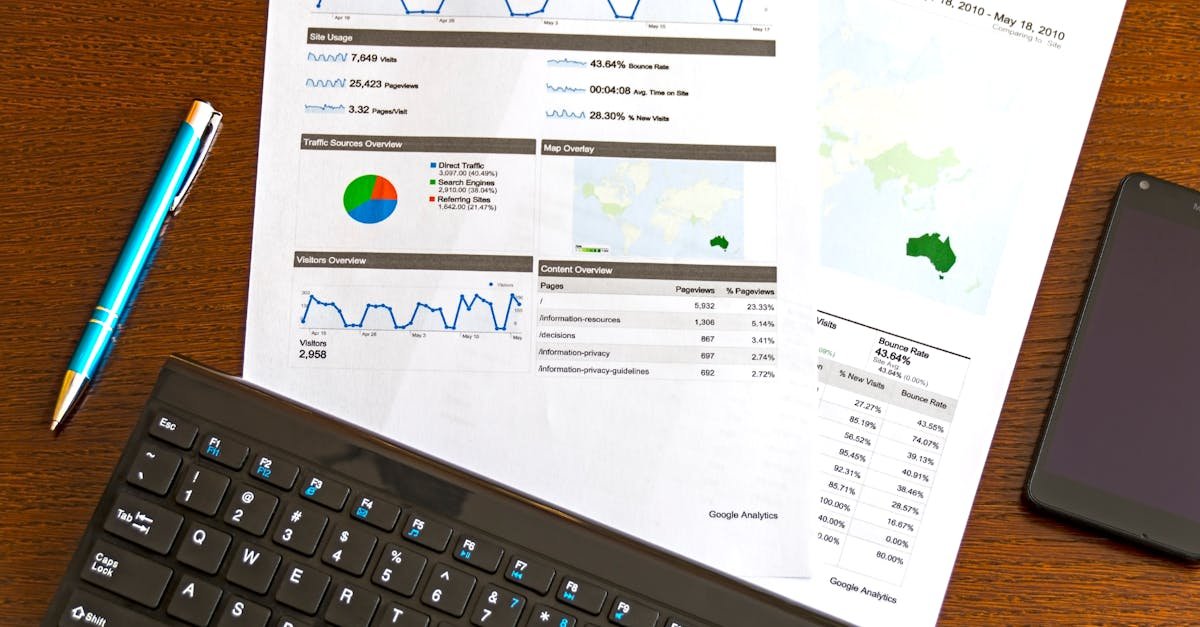
Data visualization transforms complex datasets into intuitive charts and graphs, enabling quick decision-making and identifying trends that drive campaign success. It helps marketers spot anomalies, track KPIs, and communicate results clearly to stakeholders. Without it, teams might overlook critical insights, leading to suboptimal strategies and wasted resources.
In practice, tools like dashboards can display real-time metrics such as conversion rates and customer lifetime value. For instance, a growth agency might use heat maps to analyze user behavior on a client’s site, optimizing ad placements. By making data accessible, visualization fosters collaboration and ensures everyone is aligned on goals.
Key takeaway: Data visualization simplifies complex information, aiding faster, more informed marketing decisions.
Can Next-Generation Performance Marketing Reduce Creative Friction?
Yes, next-generation performance marketing minimizes creative friction by automating content generation and testing, allowing teams to focus on high-impact ideas. Creative friction often stems from manual processes, such as designing multiple ad variations or struggling with inconsistent branding. AI tools can generate personalized creatives based on audience data, reducing the time and effort required.
For example, a startup marketing team might use generative AI to produce ad copy and visuals tailored to different segments, streamlining workflows. This not only speeds up production but also ensures consistency across campaigns. As a result, marketers can experiment more freely and iterate based on performance data.
Key takeaway: Automating creative processes with AI reduces friction, enabling faster, more effective campaign execution.
What Are the Key Benefits of Next-Generation Performance Marketing?
- Higher ROI through precise targeting and reduced ad waste.
- Improved scalability with automation handling repetitive tasks.
- Enhanced personalization for better customer engagement and loyalty.
- Faster decision-making enabled by real-time data and analytics.
- Greater adaptability to market changes with predictive insights.
These benefits empower all audiences—from solo creators to agencies—to achieve their goals efficiently. By focusing on data and innovation, next-generation strategies turn challenges into opportunities for growth.
How Do You Measure Success in Next-Generation Performance Marketing?
Measure success using advanced metrics like customer lifetime value, engagement rates, and attribution modeling beyond last-click analysis. Traditional metrics such as clicks and impressions are insufficient; instead, track holistic indicators that reflect long-term impact. For instance, monitor how personalized creatives influence repeat purchases or social shares to gauge true performance.
Implement tools that provide detailed analytics on cross-channel interactions, helping identify which efforts drive the most value. Regularly review these metrics to refine strategies and allocate resources effectively. This approach ensures campaigns are not just profitable but sustainable.
Key takeaway: Success in next-generation performance marketing is measured through advanced metrics that capture long-term customer value and engagement.
Conclusion
Next-generation performance marketing revolutionizes how brands connect with audiences by blending data, AI, and creativity. It addresses core pain points like creative friction and inefficient spending, offering scalable solutions for DTC brands, solo creators, growth agencies, and startup teams. By adopting these strategies, you can enhance ROI, streamline operations, and stay competitive in a dynamic market. Embrace innovation to unlock your marketing potential and drive meaningful results.
Subscribe to our newsletter to get the latest news.