

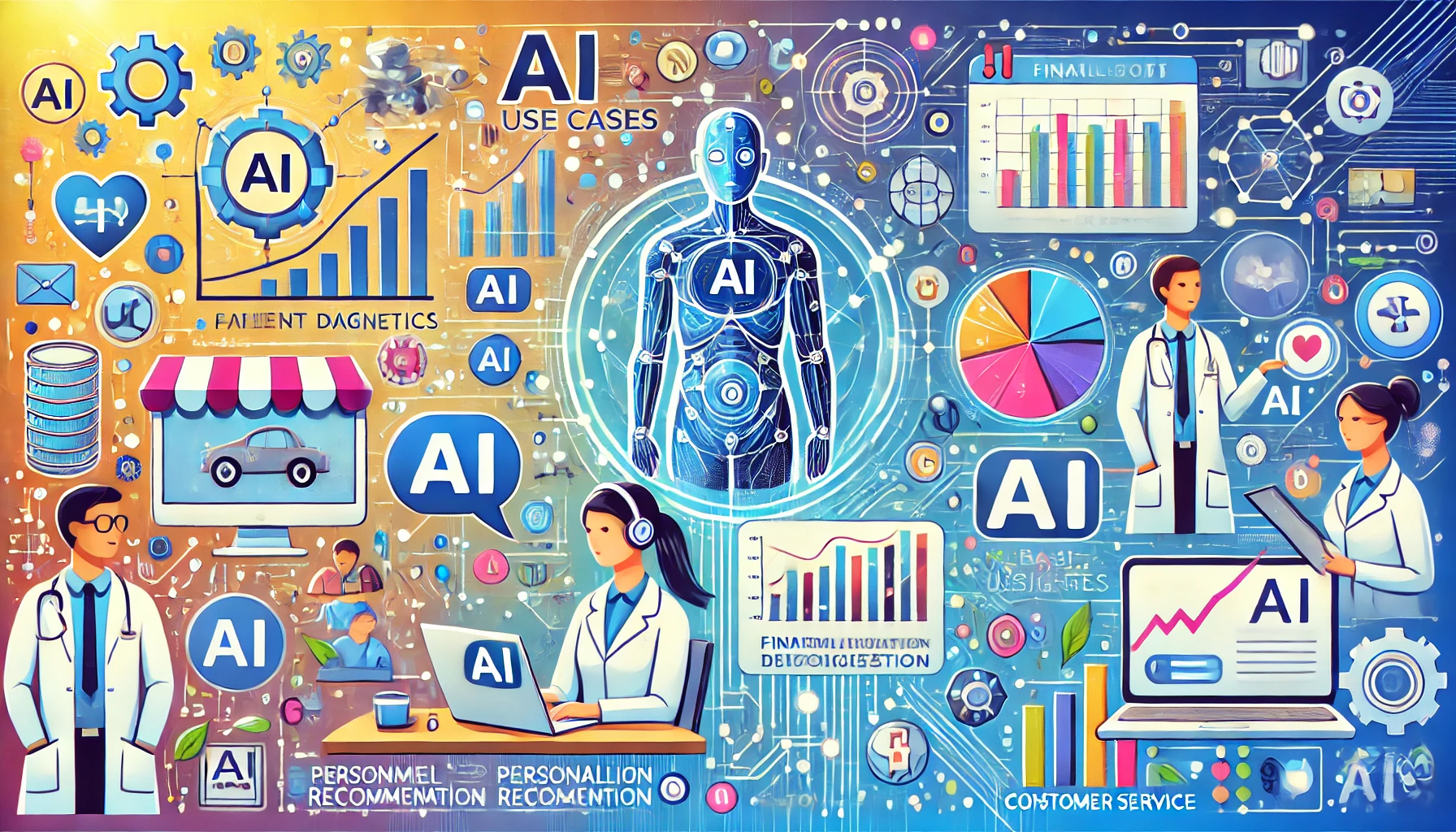
Artificial Intelligence (AI) is no longer just a futuristic concept—it has become part of our everyday lives. From personalized recommendations on streaming services to advanced data analysis in healthcare. There are numerous things AI is already doing in the world. In fact, according to a 2022 report by IDC, global spending on AI is projected to surpass $110 billion by 2024, underscoring the extensive impact of these technologies on both businesses and individuals.
AI Innovations in Daily Life
Every day, more people discover new ways that AI enhances convenience and efficiency. Whether it’s your voice assistant giving timely traffic updates or a chatbot answering customer inquiries on a retail website, AI is powering interactions around the clock. By analyzing millions of data points within seconds, these systems make precise predictions and recommendations that streamline our tasks and routines.
Personalized Recommendations and Automation
One of the most recognizable things AI is already doing in the world is providing personalized recommendations. Platforms like YouTube, Netflix, and Spotify use AI-driven algorithms to analyze user behavior and preferences, helping them predict what content you’d like to watch or listen to next. Likewise, automated tools—from household cleaning robots to self-checkout kiosks—rely on AI for real-time decision-making, significantly reducing human effort and error rates.
Transforming Healthcare with AI
AI’s influence in healthcare is extensive, offering solutions that range from diagnostic imaging to patient care optimization. Deep learning algorithms now assist in identifying diseases, such as cancer and heart abnormalities, with greater accuracy and speed. As of 2022, over 30% of healthcare providers worldwide have implemented AI-driven systems to streamline diagnoses and treatment plans, demonstrating the vital role AI plays in improving patient outcomes.
Predictive Analytics for Better Patient Outcomes
Things AI is already doing in the world of healthcare also include predictive analytics. By reviewing patient data—such as medical history, genetic factors, and lifestyle habits—AI can help medical professionals pinpoint individuals at high risk for certain conditions. This proactive approach enables early intervention. And more effective, personalized treatment plans, ultimately leading to enhanced patient care.
AI in Finance and Business
Businesses across the globe are capitalizing on AI to reduce costs, improve efficiency, and better serve customers. From fraud detection systems at banks to supply chain optimization in manufacturing, AI-driven tools are delivering tangible results. In 2021, a Deloitte study found that over 60% of large enterprises reported AI as critical to their business strategies, highlighting the technology’s ongoing commercial expansion.
Streamlined Decision-Making and Customer Service
Advanced analytics are enabling companies to quickly sift through enormous datasets, extracting valuable insights to guide strategic decisions. Meanwhile, AI-driven customer service bots reduce wait times, provide immediate issue resolution, and free up human agents for more complex tasks. These applications illustrate the broad spectrum of things AI is already doing in the world of finance, commerce, and enterprise.
Conclusion: Embracing the Growing Influence of AI
The vast array of things AI is already doing in the world demonstrates its profound influence on diverse sectors—from entertainment and healthcare to finance and beyond. With global AI spending skyrocketing and the technology’s capabilities continuing to expand, the future holds even more transformative opportunities. As AI solutions become more accessible and sophisticated, individuals, businesses, and entire industries will benefit from faster insights, better decisions, and more efficient outcomes.