
The Five Key Elements of Effective Storyboards: A Comprehensive Guide

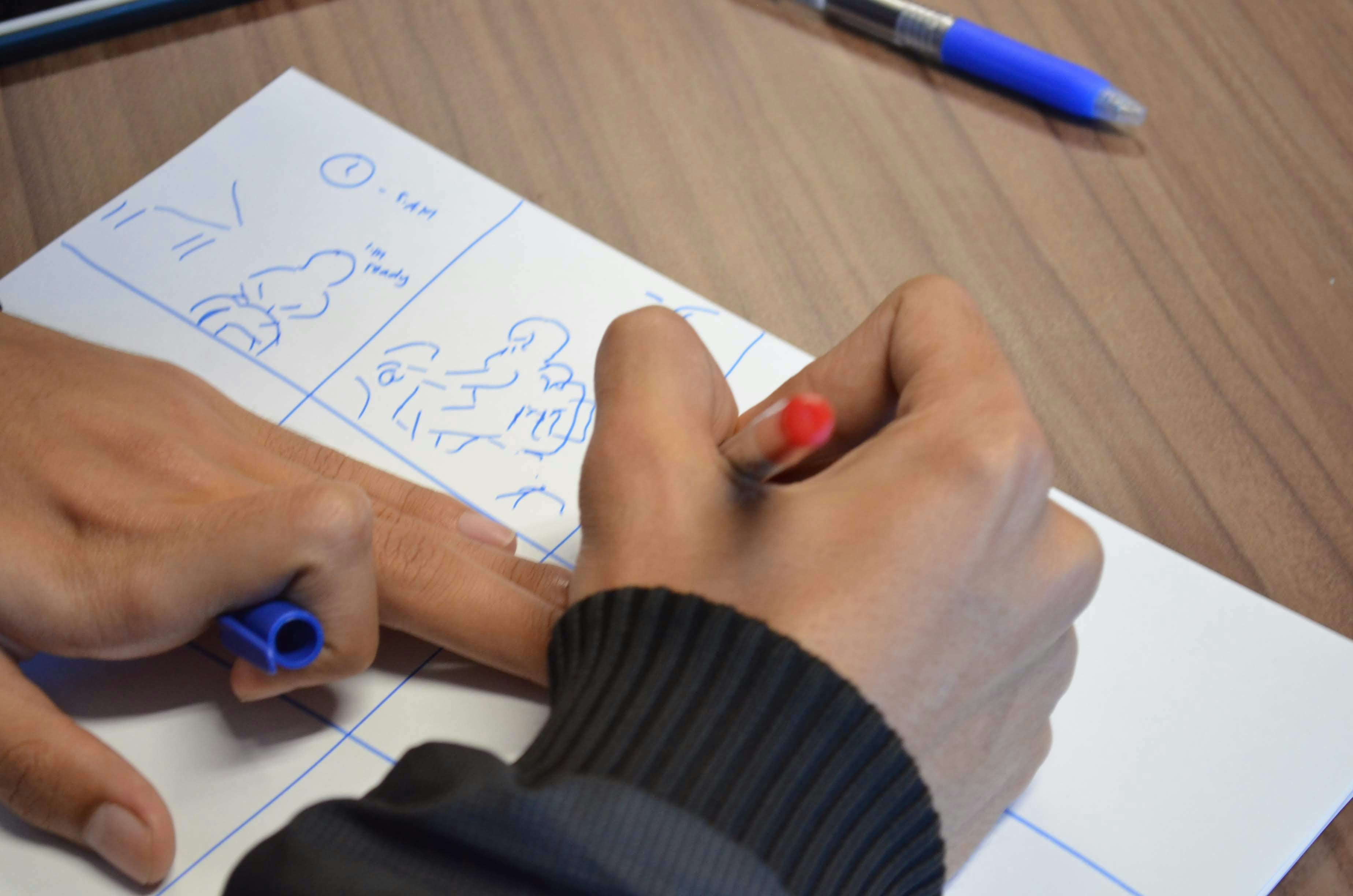
Understanding Storyboards: What They Are and Their Importance
Storyboards serve as a crucial visual planning tool that outlines the narrative and visual flow of a project. Essentially, a storyboard consists of a series of illustrations or images displayed in sequence, representing the scenes of a film, animation, advertisement, or video game. These visual aids allow creators to organize their thoughts and ideas systematically, providing a clear roadmap for their project. The significance of storyboards can be traced back to the early days of cinema; Walt Disney is credited with popularizing the concept in the 1930s, leading to its widespread adoption in various creative industries.
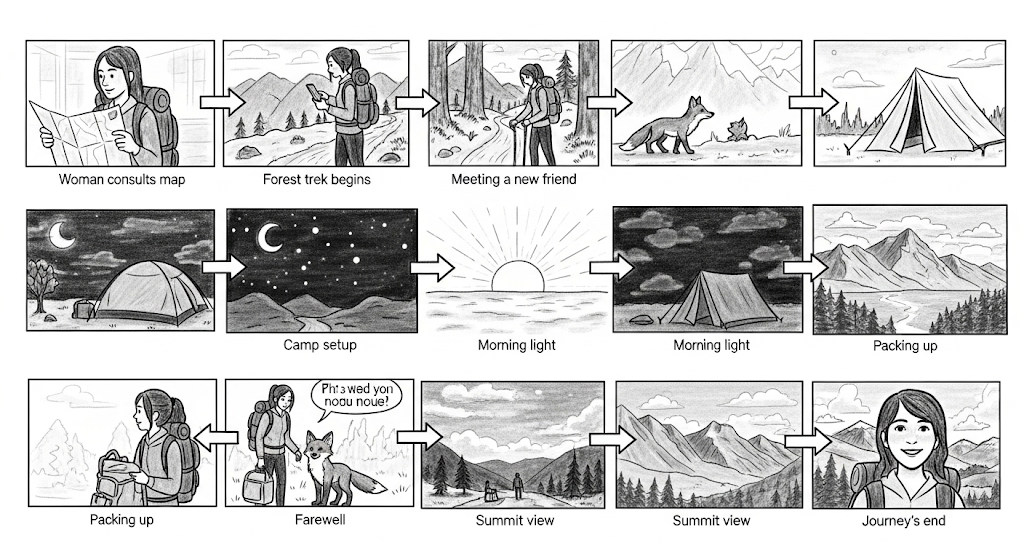
The importance of storyboards in pre-production planning cannot be overstated. By facilitating effective visual storytelling, they enable teams to grasp the narrative structure and anticipate potential problems before they arise. This proactive approach helps in enhancing communication among team members, as everyone—be it directors, producers, or animators—can visualize the end product at an early stage. As a result, misunderstandings are minimized, and creative alignment among team members is fostered.
Moreover, storyboards play an essential role in reducing costly mistakes during the production process. By meticulously detailing each scene, teams can better allocate resources and streamline their workflow. This level of organization often translates to time and cost savings, as adjustments can be made during the storyboard phase rather than after filming has begun. Additionally, by providing a visual reference, storyboards can help keep all stakeholders on the same page throughout the production timeline, ensuring that the final product aligns with the original vision. Overall, storyboards are indispensable tools in various industries, facilitating clear communication, strategic planning, and risk mitigation throughout the creative process.
Where and How Storyboards Are Used
Storyboards have become essential tools across various industries, fundamentally shifting how creative projects are conceptualized and executed. One of the most prominent fields utilizing storyboards is film and television. In this realm, filmmakers employ storyboards to visualize scenes before filming, allowing directors and cinematographers to meticulously plan camera angles, transitions, and timing. This visual representation serves as a blueprint for the production team, ensuring that everyone shares a clear understanding of the narrative flow and Visual storytelling elements. By anticipating potential challenges in filming, storyboarding aids in the optimization of resources and time management.
Storyboards in Advertising
Another sector where storyboards take on a significant role is advertising. Creative teams utilize storyboards to illustrate the sequence of events in commercials, ensuring the message is not only visually compelling but also coherent. These visual aids facilitate communication among writers, artists, and clients during the brainstorming processes, pitching ideas, and revising concepts. Storyboards enable advertisers to conceptualize complex narratives succinctly, helping them to foresee how the audience might engage with the content before actual production begins.
Additionally, video game design has increasingly adopted storyboarding as a core part of its development process. Game designers leverage storyboards to map out gameplay mechanics, character interactions, and environmental storytelling. By visualizing how players will navigate through different scenarios, teams can determine the most engaging user experiences and ensure seamless transitions within the game. This method also encourages collaboration, as cross-functional teams can cohesively discuss design elements, share perspectives, and iterate on concepts effectively.
Across these diverse fields, storyboards serve as indispensable collaborative tools, enhancing communication, creativity, and planning efficiency in the development of compelling narratives and experiences.
The Five Essential Elements of a Good Storyboard
Creating an effective storyboard requires careful consideration of several key elements that contribute to its overall success. The first essential element is visual clarity. This aspect ensures that the visuals in the storyboard communicate the narrative effectively. Clear and well-defined images allow the viewer to understand the sequence of events, emotions, and actions without confusion. Using contrasting colors, illustrative icons, and a consistent artistic style can greatly enhance visual clarity, allowing for a seamless transition from one scene to another.
The second element is structure. A well-structured storyboard will present the story arc in a logical progression, with each panel representing a distinct moment in the narrative. This structure not only helps in maintaining the flow of the story but also aids collaborators in understanding how each part contributes to the whole. Storyboards typically follow a beginning, middle, and end format, making it easier to visualize the pacing and build-up of tension or excitement throughout the narrative.
Next, character and setting details are crucial for creating relatable and immersive stories. Including specific attributes about characters—such as their appearance, emotional states, and motivations—can significantly enhance engagement. Similarly, providing detailed descriptions of the setting allows for a deeper understanding of the context in which the story unfolds, emphasizing mood and atmosphere. For instance, contrasting a dark, stormy environment with a bright, sunny one can instantly shift the audience’s mood, influencing their perception of the narrative.
Continuity of scenes, referred to as scene continuity, is another vital element. This principle ensures that each panel logically follows the previous one, preserving the flow of the narrative. Maintaining consistency in character actions, expressions, and backdrop details is fundamental for viewers to remain engaged and track the story easily. Lastly, incorporating annotations or notes within the storyboard can provide additional context or insights that aren’t immediately clear from the images alone. These annotations can clarify actions, transitions, or emotional cues, enabling a more comprehensive understanding of the story for anyone reviewing the storyboard.
Storyboarding for Advertisements: Techniques and Best Practices
Advertising storyboards serve as a critical framework for conveying a brand’s message effectively within a constrained timeframe. In the fast-paced world of marketing, the challenge lies in balancing creativity with clarity, ensuring that the intended narrative is succinctly captured while engaging viewers. The storyboarding process begins with a deep understanding of the target audience, which informs the visual and narrative style. Advertisements need to resonate emotionally, so employing techniques that evoke feelings can significantly enhance viewer connection.
One effective technique is the use of visual storytelling, where imagery conveys the essence of the message quickly. This can include a blend of illustrations, photographs, and graphical elements that work cohesively to tell the story. Pacing is another critical consideration; advertisements typically last between 15 to 60 seconds, necessitating a storyboard layout that allows for fluid transitions between scenes. Each panel must be meticulously crafted to ensure that every second counts, directing attention to significant elements without overcrowding the visual space.
Moreover, incorporating a structured narrative arc—comprising a hook, the problem, and a resolution—can facilitate a compelling storyline. Successful campaigns often utilize this approach to create an engaging narrative that aligns well with the brand identity. For instance, a case study highlighting Nike’s “Just Do It” campaign showcases how concise yet impactful storyboarding emphasized empowerment and personal achievement. Through a sequence of relatable scenes, the storyboard encapsulated the essence of the brand while inspiring viewer action.
In conclusion, effective storyboarding for advertisements requires a thoughtful combination of storytelling techniques, pacing, and visual appeal. By embracing these best practices, marketers can craft compelling narratives that not only capture attention but also leave a lasting impression, ensuring the brand message is communicated efficiently and memorably.